Supporting Veterans Beyond the Wire: Why Identification Matters
29 January 2026 | Helen Hurst RGN QN
Leaving the Armed Forces can be an exciting step, but for some it is also a daunting transition.
While many service leavers adapt to civilian life without difficulty, others suddenly find themselves navigating unfamiliar systems; registering with a GP or dentist, securing housing, finding employment, or accessing the right support, and wondering where to begin.
Through my work in the NHS and alongside the Armed Forces community, I have seen first-hand how easily veterans can become overlooked once they leave service. Simple, practical steps taken early can make a significant difference to health, wellbeing, and long-term outcomes.
One of the most important actions for anyone leaving the Armed Forces is to register with a GP practice and identify as a military veteran. This enables primary care teams to recognise a patient’s service history and, where appropriate, refer them to specialist pathways such as Op COURAGE for mental health support or Op RESTORE for physical health problems related to service. Without this identification, access to these services may be delayed or missed entirely.
I have seen first-hand how easily veterans can become overlooked once they leave service. Simple, practical steps taken early can make a significant difference to health, wellbeing, and long-term outcomes.
Helen Hurst RGN Queen's Nurse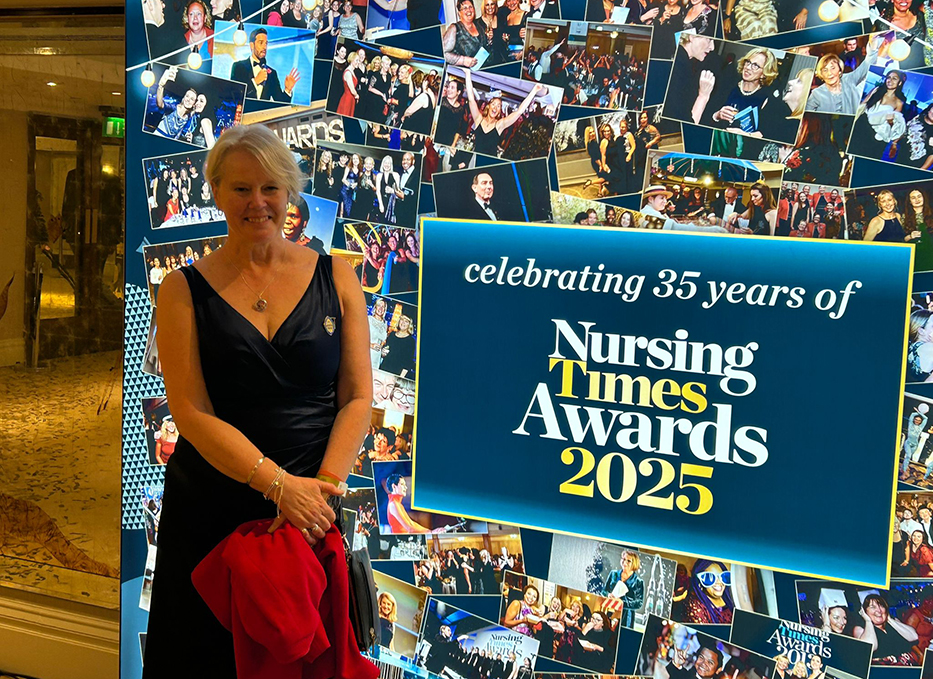 Helen Hurst RGN QN, Nursing Times Awards 2025 Finalist
Access to NHS dentistry remains challenging across the population, but registering where possible is still encouraged. Similarly, housing stability is a key determinant of health. Veterans who are sofa surfing or at risk of homelessness can be supported through Op FORTITUDE, the national pathway providing housing advice and supported accommodation for veterans.
Some veterans experience additional challenges during transition, including financial difficulties, mental ill health, substance misuse, or involvement with the justice system. Op NOVA, delivered by the Forces Employment Charity, provides specialist support for veterans in contact with police, courts, prisons, or probation services. With over a decade of experience, Op NOVA’s work consistently demonstrates that early identification and tailored support can be life-changing, and in some cases, life-saving.
Why identifying military veterans and the Armed Forces community matters
I have delivered talks on NHS services for the Armed Forces community to the QICN Homeless and Inclusion Health Network, the South West Queen’s Nurses Network, and regularly use LinkedIn to share a consistent message: know your community.
The message I always emphasise is simple but crucial; we must identify members of the Armed Forces community. Without identification, Veterans risk remaining unseen and unsupported, unable to access services specifically designed to meet their needs.
For Queen’s Nurses working in communities, primary care, inclusion health, and leadership roles, asking the question and recording veteran status is a small intervention that can have a profound impact. It ensures equity of access, reduces health inequalities, and honours the Armed Forces Covenant, as set out in the NHS Constitution (Principle 4): the patient will be at the heart of everything the NHS does.
This principle commits the NHS to supporting individuals to promote and manage their own health, ensuring services are coordinated around and tailored to the needs and preferences of patients, their families, and carers. In line with the Armed Forces Covenant, it also ensures that serving personnel, reservists, their families, and veterans are not disadvantaged when accessing health services in the area where they live. Patients, families, and carers should be involved in decisions about care and treatment, and feedback should be actively encouraged and used to improve services.
I hope this information is helpful to those transitioning out of the Armed Forces and resettling into life on the outside of the wire, and to colleagues committed to delivering truly person-centred, inclusive care in our communities.
Helen Hurst RGN QN, Nursing Times Awards 2025 Finalist
Cover photo courtesy of Mick Latter, pexels
 Back to Blog